In 2026, business travel across Europe is booming once again. According to recent forecasts, European business travel spending is projected to reach nearly €390 billion this year, with corporate budgets rising around 5-6% and a strong emphasis on purposeful, efficient trips. Geopolitical risks persist, sustainability mandates are tightening, and technology (especially AI and automation) is transforming how professionals plan and execute journeys.
At WegoEuro, headquartered in Brussels — Europe’s bustling business hub — we help corporate travelers secure the best flights, manage layovers, and turn work trips into productive (and sometimes even enjoyable) experiences. Whether you’re heading to client meetings in Berlin, conferences in Paris, or negotiations in Milan, here are our top tips to make your 2026 business travel smoother, cheaper, and more effective.
1. Book Smarter: Leverage Tools and Timing for Premium Value
Business class and flexible fares are back in demand, but prices remain high in key European corridors.
- Use comparison platforms like WegoEuro to scan hundreds of airlines and OTAs simultaneously. Set up price alerts for your regular routes (e.g., Brussels to Frankfurt or London to Amsterdam) — fares often drop mid-week.
- Book 4-8 weeks in advance for intra-Europe flights; longer for transatlantic connections feeding into European hubs.
- Consider “mixed cabin” strategies: fly economy outbound for cost savings, then upgrade to business class return using miles or points earned from company spend.
- Pro tip: Many airlines (Aegean, Lufthansa, etc.) offer generous business class perks like unlimited changes — perfect for unpredictable schedules.
2. Prioritize Productivity on the Go
2026 trends show a shift toward “purposeful travel” — fewer but higher-impact trips.
- Choose direct flights whenever possible to minimize fatigue and lost time. Use WegoEuro filters for non-stop options.
- Opt for airlines with strong business-class offerings on short-haul routes (e.g., Air France on Paris-Brussels, British Airways on London routes) for flat beds, lounges, and priority boarding.
- Pack a “productivity kit”: noise-canceling headphones, portable charger, lightweight laptop stand, and compression socks for long flights.
- Hack: Adjust to destination time immediately upon boarding — set your watch, eat/sleep accordingly to combat jet lag on east-west routes.
3. Navigate Airports Efficiently
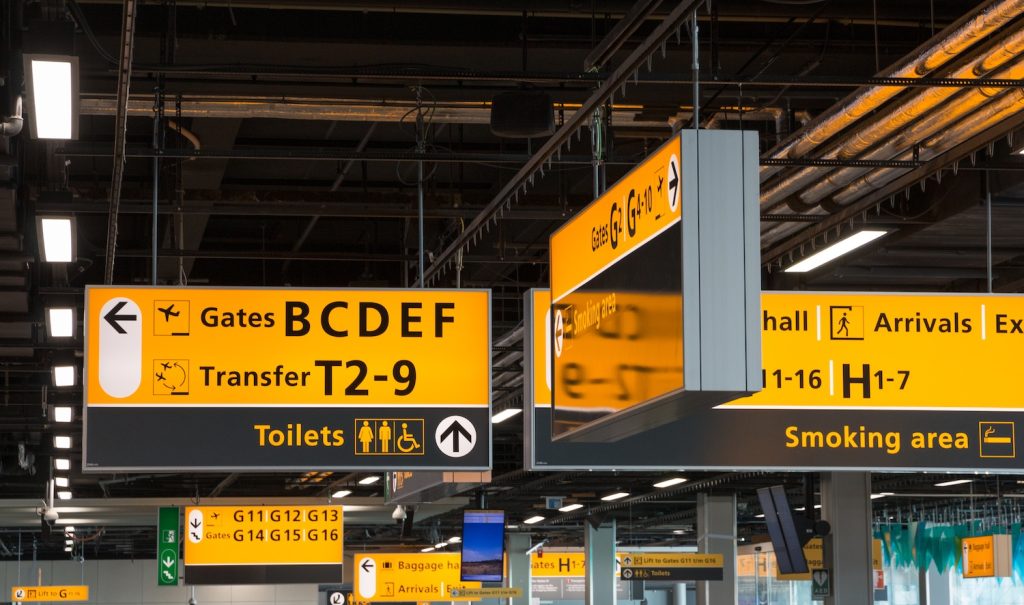
European airports are getting busier, but smart prep saves hours.
- Arrive 2.5-3 hours early for non-Schengen departures; 90-120 minutes suffices for intra-Schengen.
- Enroll in fast-track programs (e.g., Brussels Airport’s fast lanes via certain cards or apps) and use biometric gates where available (expanding in 2026).
- Lounge access is non-negotiable: Priority Pass, airline status, or day passes (€35-50) provide quiet workspaces, showers, and decent food — essential for back-to-back meetings.
- At Brussels Airport (our home base), the Diamond Lounge in Terminal A is a favorite for quick, productive waits.
4. Stay Connected and Secure
With rising cyber threats and data privacy rules (GDPR still strict in 2026):
- Activate an eSIM (Airalo, etc.) before departure for instant, affordable data across the EU.
- Use a reliable VPN on public Wi-Fi (airports, hotels, cafés).
- Download offline docs, maps, and translation apps — Google Translate’s offline mode handles most European languages flawlessly.
5. Hotel and Ground Transport Choices
Sustainability and wellbeing are top priorities for corporate policies in 2026.
- Book hotels near meeting venues or with easy train/tram access — many cities (Berlin, Copenhagen, Vienna) have excellent public transport.
- Look for properties with green certifications or carbon-offset programs.
- Ground transport: Pre-book Blacklane or similar for reliable airport transfers; avoid unofficial taxis.
- For multi-city trips, consider high-speed trains (Eurostar, TGV, ICE) over short flights — lower carbon footprint and often more comfortable for work.
6. Expense Management and Perks
Maximize reimbursements and rewards.
- Use corporate cards that earn miles/points on business spend — redeem for upgrades or personal extensions.
- Track expenses in real-time with apps; many companies now require digital receipts.
- Turn layovers into “bleisure” if policy allows: add a weekend using points for hotels/flights.
7. Health, Sustainability, and Risk Awareness
- Pack travel-sized health essentials and stay hydrated — long meetings drain energy fast.
- Offset emissions where possible (many airlines integrate this at booking via WegoEuro).
- Monitor travel advisories — geopolitical risks remain a factor in certain regions.
Business travel in 2026 is about efficiency, purpose, and balance. With the right tools and preparation, you can arrive sharp, productive, and ready to close deals.