European airports in 2026 are evolving fast: AI-powered operations, expanded biometrics, sustainability features, and the full rollout of the European Entry/Exit System (EES) are changing how we navigate them. While some hubs face rating dips due to new border tech, others shine with efficiency and passenger perks.
At WegoEuro, based at Brussels Airport (BRU), we’ve compiled practical guides for key European airports travelers frequent most. These tips focus on real-world navigation, time-saving hacks, and what’s new this year.
1. Brussels Airport (BRU) – Our Home Hub: Efficient & Welcoming
Brussels remains a favorite for its compact layout and quick processes—ideal for business or short connections.
- 2026 Update: EES (biometric entry/exit for non-EU visitors) is fully operational by April—expect facial scans at borders. Register once for faster future passes.
- Arrival/Departure Tips: Arrive 2 hours early for Schengen, 3 for non-Schengen. Use online check-in and bag-drop kiosks to skip lines.
- Security & Lounges: Security averages 10-20 minutes; family lanes available in peak seasons. Diamond Lounge (Schengen) and non-Schengen options offer showers, workspaces, and Belgian beers—access via Priority Pass or day pass (~€45).
- Connectivity: Free unlimited Wi-Fi; power outlets everywhere post-security. Train to Brussels city center in 20 minutes.
- Pro Hack: Shop after security—prices match landside, and you’re closer to gates. Great for last-minute Belgian chocolates!
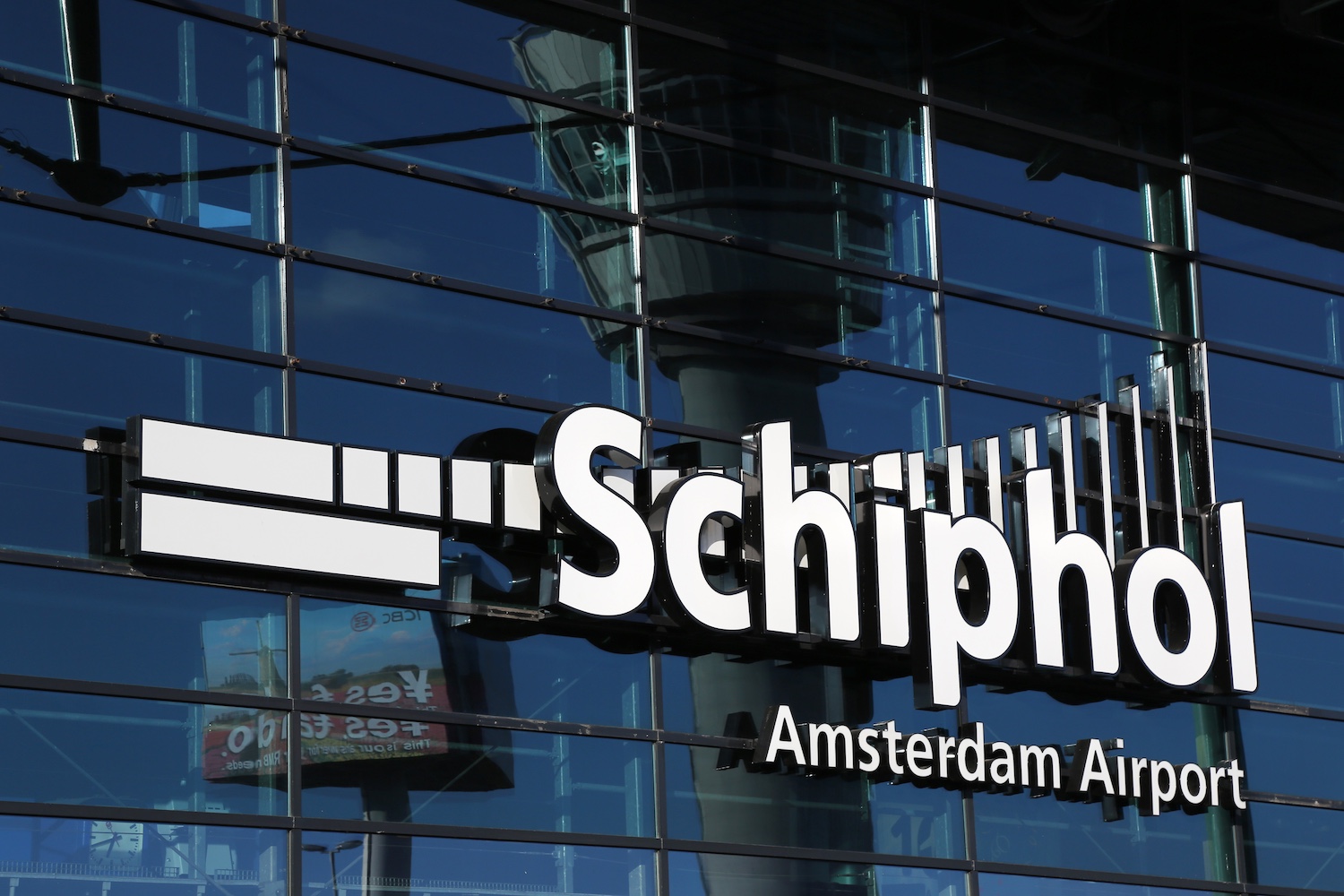
2. Amsterdam Schiphol (AMS) – The Efficient Giant
Schiphol consistently ranks high for its single-terminal design and excellent facilities—perfect for long layovers.
- 2026 Highlights: Strong on sustainability (bike parking, green roofs) and biometrics at gates. One of Europe’s best-rated for passenger experience.
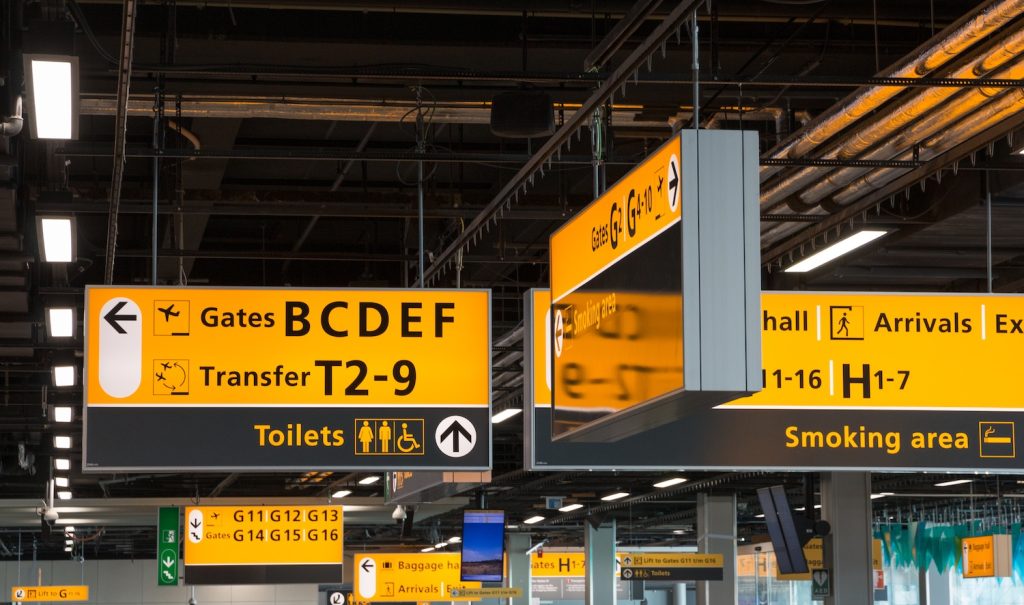
- Navigation: Everything under one roof—follow yellow signs for transfers. Use the Schiphol app for live maps, gate info, and wait times.
- Security & Lounges: Fast-track available; lounges like Aspire or Privium offer panoramic views. Priority Pass widely accepted.
- Layover Wins: Visit the Rijksmuseum annex (art gallery inside the airport) or relax in the library. Train to Amsterdam Centraal in 15 minutes.
- Tip: For connections, minimum 50 minutes domestic/Schengen, 90+ international—but buffer extra during EES rollout.
3. Paris Charles de Gaulle (CDG) – The Massive Hub with Smart Upgrades
CDG is huge (three main terminals), but 2026 brings better signage, more biometrics, and improved transfers.
- 2026 Reality: Expect longer border times with EES—arrive early (3+ hours international). New automated gates speed up repeat visitors.
- Terminal Tips: Use the free CDGVAL shuttle between terminals. Download the Paris Aéroport app for real-time queues and maps.
- Security & Lounges: Lines vary—use Priority Pass for lounges in all terminals (showers essential after long flights).
- Layover Options: Quick train to Paris (RER B ~30 minutes) if time allows, or stay airside for duty-free shopping.
- Hack: Luggage carts are free and plentiful—use elevators over escalators with heavy bags. Avoid unofficial taxis; opt for official ranks or RER.
4. Other Standouts to Know in 2026
- Munich (MUC): Frequently praised as one of Europe’s best—efficient, great lounges, and beer garden vibes. Ideal for connections.
- Copenhagen (CPH) & Stockholm (ARN): Top-rated for cleanliness and calm—excellent for Nordic trips.
- London Heathrow (LHR): Leads in AI/biometrics but can be busy—use fast-track and lounges wisely.
- General 2026 Advice: EES affects non-EU arrivals—have your passport ready for scans. Many airports push contactless everything (boarding passes, payments).
Smooth airport experiences come down to prep: download apps, check real-time wait times, and use tools like WegoEuro for flight alerts and multi-city bookings that turn layovers into mini-adventures.
Flying through one of these soon? Visit WegoEuro to compare fares, set price drops, and plan your smoothest trip yet.