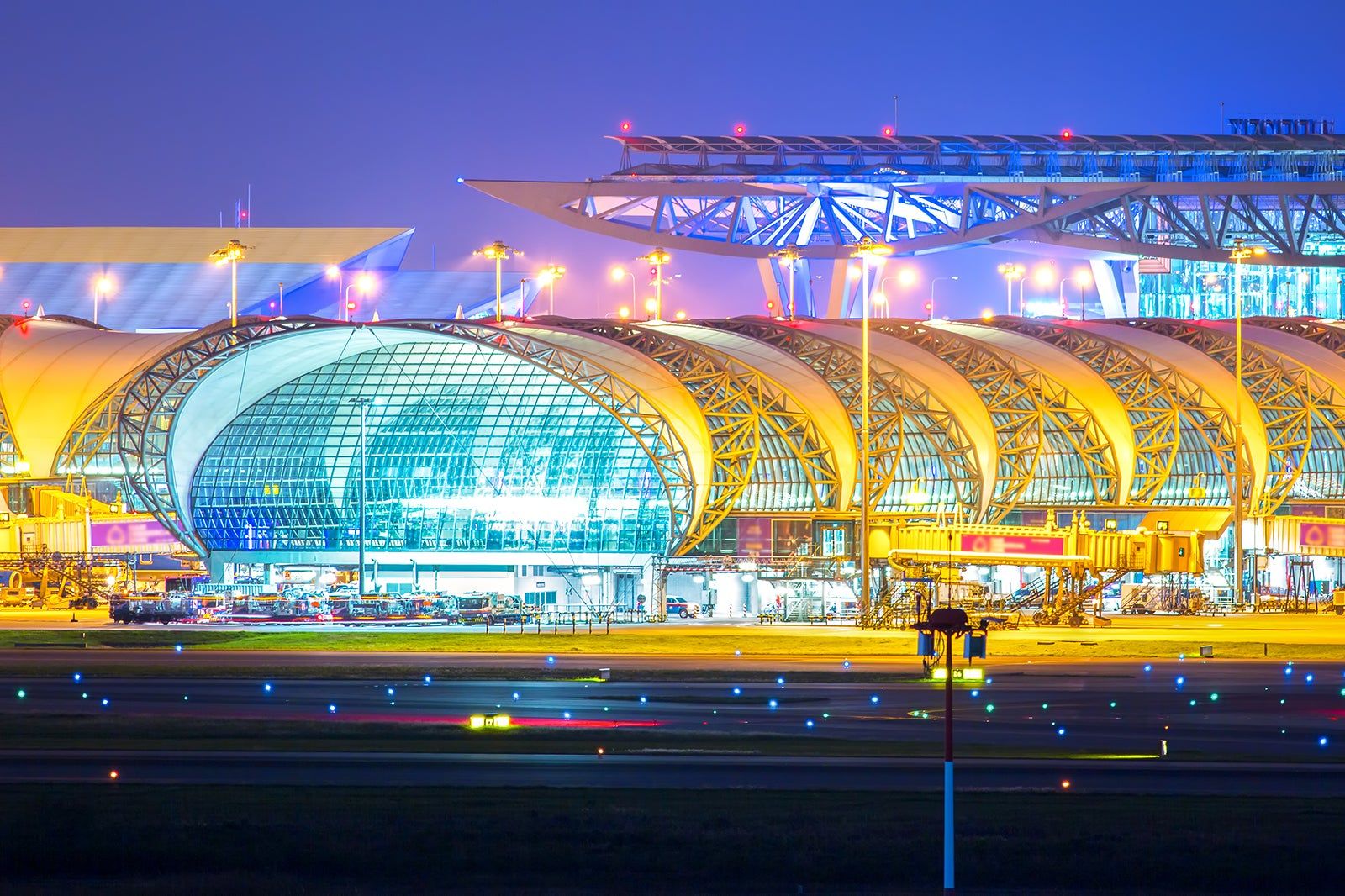
Bangkok’s Suvarnabhumi Airport (BKK) is Thailand’s main international gateway and one of Southeast Asia’s busiest aviation hubs. Serving tens of millions of travelers each year, the airport connects Bangkok with major destinations across Asia, Europe, the Middle East, and Oceania. Whether you are visiting Thailand for the first time or connecting through the region, understanding how BKK operates can make your journey smoother and more comfortable.
Overview of Suvarnabhumi Airport
Located approximately 25 km east of central Bangkok, Suvarnabhumi Airport operates as the country’s primary international airport and the main hub for Thailand’s flagship carriers. The airport features one of the world’s largest single-terminal passenger buildings, designed to handle a high volume of international traffic efficiently while providing modern traveler amenities.
Thanks to its strategic geographic position, BKK serves as an important transfer point for passengers traveling between Europe, Asia, and Australia, making it a frequent stopover airport for long-haul flights.
Terminal Layout and Passenger Flow
Unlike many global airports that operate multiple passenger terminals, Suvarnabhumi Airport primarily uses a centralized terminal complex connected to multiple concourses. This layout simplifies transfers because passengers usually remain within the same building when connecting between flights.
Key areas travelers should know:
-
Departures Level: Airline check-in counters, security screening, and immigration
-
Arrivals Level: Immigration control, baggage claim, and ground transportation
-
Mid-levels: Dining areas, lounges, and retail spaces
-
Basement Level: Airport Rail Link connecting the airport to central Bangkok
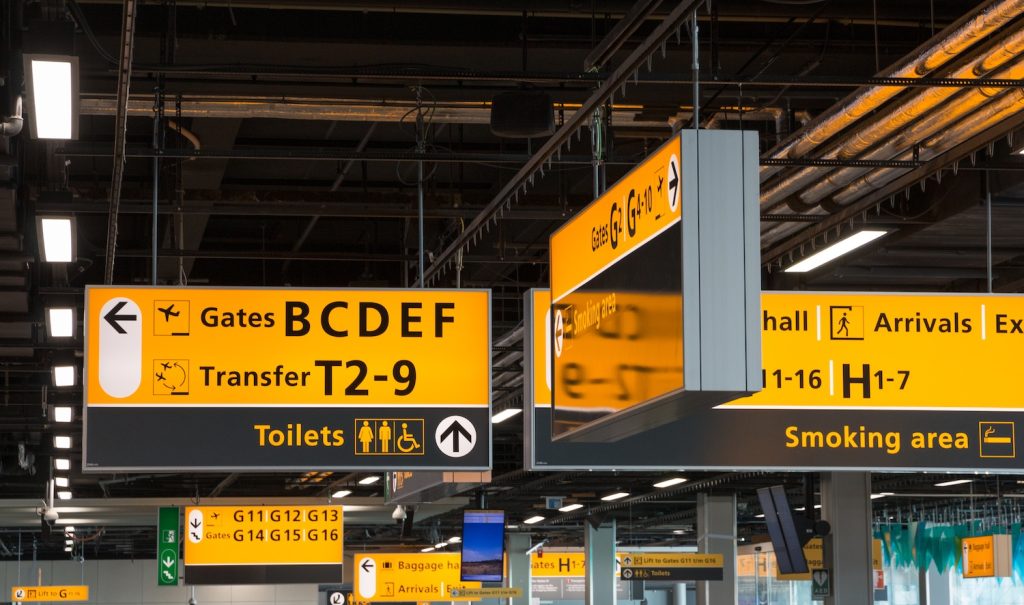
Clear English-language signage throughout the terminal helps passengers easily navigate between gates, concourses, and transport links.
Transportation to and From the Airport
Suvarnabhumi Airport offers several convenient transport options depending on your destination and budget.
Airport Rail Link (ARL):
The fastest option for reaching downtown Bangkok, especially during peak traffic hours. Trains connect the airport directly to the city’s urban rail network.
Taxis and Ride-Hailing Services:
Metered taxis are available outside the arrivals hall, offering direct transport to hotels and city districts.
Private Transfers and Airport Limousines:
Ideal for travelers seeking comfort or traveling with families and larger luggage.
Airport Buses:
Budget-friendly bus routes connect the airport with major transport hubs and surrounding provinces.
Facilities and Services
BKK provides a wide range of services designed to support international travelers, including:
-
Duty-free shopping zones and international retail stores
-
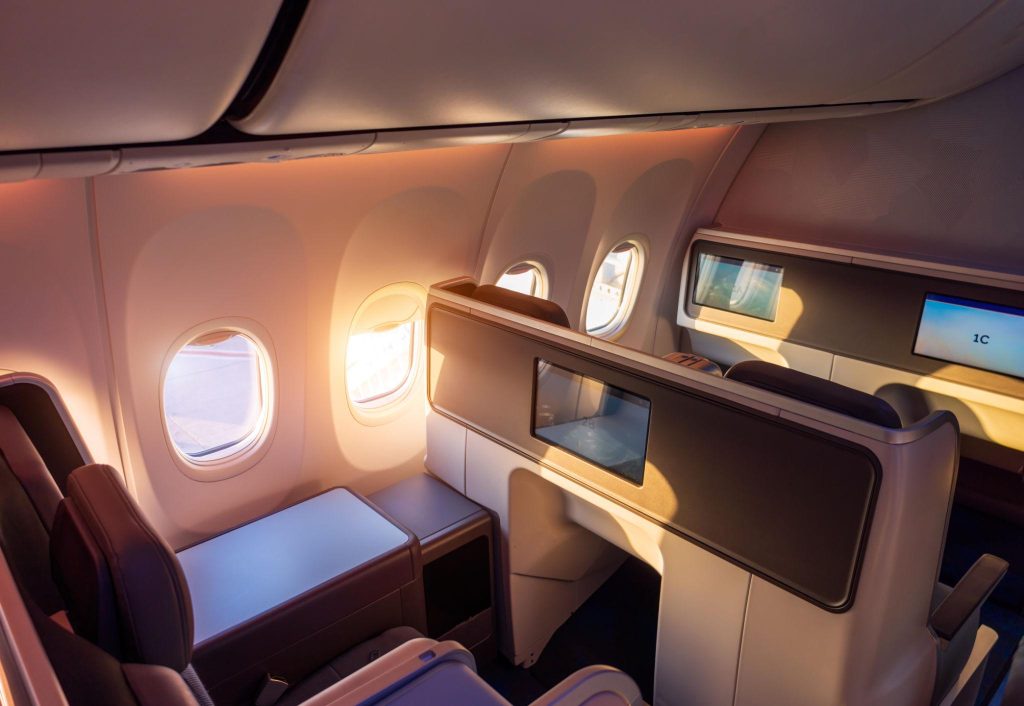
Airline lounges and premium passenger facilities
-
Currency exchange counters and banking services
-
Restaurants offering both Thai and international cuisine
-
Airport hotels and nearby accommodation options
Free Wi-Fi access is available throughout the terminal, allowing passengers to stay connected while waiting for flights.
Tips for a Smooth Experience at BKK
-
Arrive early for international departures, as the terminal is large and immigration lines can be busy.
-
Check gate information frequently, since concourses are spread across long corridors.
-
Allow extra connection time if transferring between international and domestic flights.
-
Use the Airport Rail Link to avoid heavy Bangkok traffic during rush hours.
Final Thoughts
Suvarnabhumi Airport (BKK) plays a central role in global travel to Southeast Asia, combining large-scale infrastructure with modern passenger amenities. With its efficient terminal layout, strong transport connections, and extensive facilities, the airport offers a smooth experience for both first-time visitors and frequent travelers.
For anyone flying to or through Thailand, understanding the basics of BKK’s layout, transportation options, and traveler services can significantly reduce travel stress and help you start your journey in Bangkok with confidence.